
How to make money clipping: clipping campaigns explained
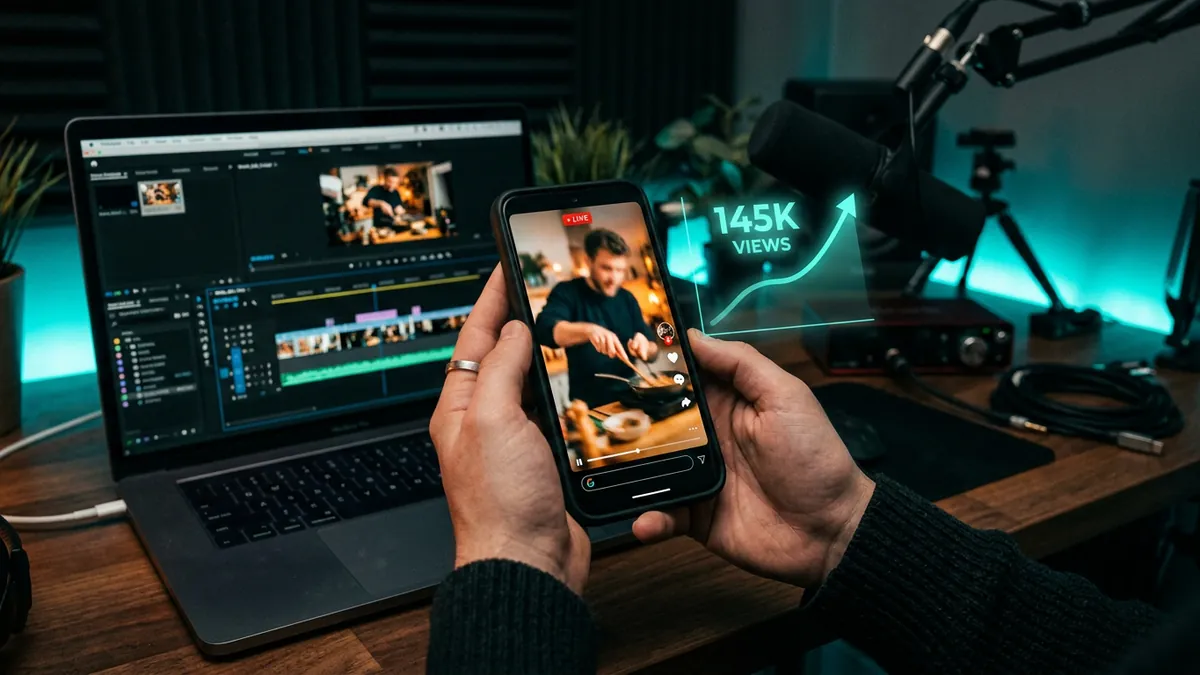
Most people make money clipping by joining paid clipping campaigns, where a creator or brand pays a set rate for every 1,000 views on clips they approve. Others are paid directly by streamers per clip or per month. Pay depends entirely on the campaign and your views, and most clips earn little or nothing.
New to clipping? Our beginner's guide to clipping covers the basics: what a campaign is, how to join one on Content Rewards, how to read a brief and how to submit a clip. This article picks up from there and focuses on the money: where it comes from, how to work out what a campaign is really worth, and how to work in a way that gives you the best chance of being paid.
The four ways to make money clipping
"Clipping" covers a few different kinds of paid work. They pay in different ways and suit different people.
| Route | How you are paid | Good for | Watch out for |
|---|---|---|---|
| Pay-per-view campaigns | A rate per 1,000 views on approved clips | Beginners, because anyone who meets the rules can join many campaigns | Pay is uncertain, and budgets run out |
| Working directly for a streamer | An agreed fee per clip, per week or per month | Clippers with a track record and examples to show | Get the deal in writing before you start |
| Editing for creators | A fee for editing clips they post on their own channels | People who like editing more than posting | You need a portfolio to win work |
| Platform payouts on your own channel | Money from programmes like TikTok's or YouTube's | Clipping your own original content | Clips of other people's content rarely qualify |
Why platform payouts rarely work for clip channels
It is tempting to think a clip channel can earn from the platforms directly. The rules make that hard. TikTok's announcement of its Creator Rewards Program says creators need to be at least 18, have at least 10,000 followers and 100,000 views in the last 30 days, and that it rewards original videos over a minute long. Most clips are shorter, and they are not your original content.
YouTube is stricter still. Joining the YouTube Partner Program through Shorts takes 1,000 subscribers and 10 million qualified Shorts views in 90 days. Even then, YouTube's reused content policy can block monetisation of channels built on other people's footage, and it says this applies even if you have permission from the original creator.
That is why campaigns and direct deals are where most clipping income comes from. The creator pays you, so platform monetisation is not needed.
How clipping campaigns pay, in numbers
A campaign has a fixed budget, a rate per 1,000 views (often called CPM), and rules about which clips count. Three extra numbers matter just as much as the rate:
- The minimum. Many campaigns only review or pay a clip once it passes a set amount of views or earnings.
- The cap. A maximum one clip can earn, however many views it gets.
- The window. How long views keep counting after you submit.
Here is how they play together. The numbers below are made up to show the maths, not typical rates. Say a campaign pays $2 per 1,000 views, needs 5,000 views before a clip is reviewed, and caps each clip at $100. You post ten clips:
| Clips | Views each | Earns each | Why |
|---|---|---|---|
| 7 | Under 5,000 | $0 | Below the minimum, so never reviewed |
| 2 | 12,000 | $24 | 12 x $2 |
| 1 | 80,000 | $100 | Would be $160, but the cap is $100 |
Total: $148 for ten clips, before any platform fee. Notice two things. Most of the clips earned nothing, which is normal. And almost two thirds of the money came from one clip. Clipping income tends to be lumpy like this, which is why steady output matters more than any single clip.
Now take a campaign with a higher rate, a much higher minimum and only a small part of its budget left. On paper it looks better. In practice, your clips might never pass the minimum before the money runs out. Always run the numbers on the whole offer, not just the headline rate.
Fees come off too. Our clipping guide covers how Content Rewards fees, payout rounds and withdrawals work. Other campaigns and communities set their own terms, so read them.
How to choose campaigns worth your time
Picking the right campaigns is one of the biggest levers you have. Before you join, check:
- Budget left. A campaign that has used most of its budget may stop paying before your clips reach review.
- Rate against minimum. A modest rate with a low minimum often pays more often than a high rate with a high minimum.
- Content you understand. If you know the game or the creator's style, you will spot the good moments faster and write better hooks.
- Enough source material. A creator who streams often gives you fresh moments every week.
- Platforms you already use. Posting to an app where you have an established account is easier than starting from zero.
- A clear brief. Vague rules lead to rejections. If you cannot tell what gets approved, ask before posting.
| Good signs | Warning signs |
|---|---|
| Written rules, with examples of approved clips | No written brief, only "post lots and we will pay" |
| Clear rate, minimum, cap and payout schedule | Pay terms that change after you have posted |
| A support channel that answers questions | Asks you to pay to join or to unlock campaigns |
| Runs on a platform that tracks views itself | Asks for your social media passwords |
A simple weekly system
Clipping pays best when you treat it like a routine, not a lottery. Here is a simple weekly routine you can adapt.
- Pick two or three campaigns. Enough to spread the risk, few enough to learn each creator's content well.
- Batch the watching. Go through new streams or videos in one sitting and note timestamps of every possible moment. Do not edit yet.
- Rank and cut. Choose the strongest moments and cut them. One moment per clip.
- Finish them in one go. Framing, captions and titles in a batch is faster than one clip at a time. Saving a caption style you like keeps your clips consistent.
- Post on a steady schedule. Spread posts out rather than dumping ten at once, and submit each one the way the campaign asks, within any time limit.
- Log everything. A simple spreadsheet works: date, campaign, platform, link, hook used, views after a few days, status and money earned.
- Review once a week. Which hooks, moments and lengths did better? Do more of those. Drop campaigns that keep rejecting or never pay out.
The slowest parts of this routine are usually finding moments and captioning. That is what clipping tools are for. Clipper X, for example, can find the loudest moments in a long video for you and caption every word on your PC, and the Clipper X guide shows the full workflow. Any editor works, though. What matters is that you can keep the routine going every week.
Skills that make clips earn more
The rate is set by the campaign. Your views are the part you can influence. These skills make the biggest difference.
Spotting moments
The best clippers know what makes a moment travel: a clear setup and payoff, a strong reaction, or a line people will want to argue about. Our guide on finding viral moments in a long stream goes deeper.
Hooks
The first second or two decides whether someone keeps watching. Start on the action or put a short, honest title on screen that sets it up.
Clean vertical framing and captions
Faces and action placed well in a 9:16 frame, with big readable captions, look professional and keep people watching. See adding captions to gaming clips and face cam and gameplay split screens.
Knowing the audience
A clip that works for one creator's fans might fall flat for another's. Study the creator's own most-watched clips and any example clips in the brief.
Reliability
Following briefs exactly, never cutting corners and posting on time builds a reputation. That is how clippers move from open campaigns to direct, paid work with creators.
Disclosure, tax and the boring rules
None of this is exciting, but getting it wrong can cost you your earnings or your account.
Disclose paid clips
When you are paid to promote a creator or brand, advertising rules in many countries expect you to say so. The US Federal Trade Commission's guide for influencers says to make disclosures hard to miss, to put them on screen and in the audio for videos, and to use plain words like "ad" or "sponsored". TikTok has a content disclosure setting for this, which adds a "Paid partnership" label. Campaign briefs often say exactly how to disclose, so follow them.
Only clip what you are allowed to
A campaign gives you permission to clip that creator under its rules. It does not cover other people's music, shows or streams that appear in the footage. Our guide to clipping without copyright strikes explains the rules every clipper should know.
No fake views
Never buy views, likes or followers, or use bots. Campaigns check for this, rejected clips are not paid, and platforms can ban accounts for it.
Tax
Clipping income is usually taxable, even when it is small and nobody sends you a form. The rules depend on where you live. Two examples: in the UK, the trading allowance lets you earn up to £1,000 a year from trading tax-free, and above that you must register for Self Assessment. In the US, the IRS gig economy tax centre says you must report gig income even if it is not reported on a tax form. Keep your spreadsheet and payout records, and check your own country's rules.
Age
Many campaign platforms and payout services require you to be 18 or over, and TikTok's Creator Rewards Program does too. Check the terms before you sign up, and do not use someone else's account to get around them.
Direct deals
If you work directly for a streamer, agree the basics in writing first: what you can clip, where you post, the fee, when you are paid, and who owns the finished clips. A short message thread that both of you agree to is far better than nothing.
Scams to avoid
Where there is talk of easy money, there are scams. Be wary of:
- Paying to get work. The FTC's advice on job scams is simple: do not pay for the promise of a job. Real campaigns pay you, not the other way round.
- Guaranteed earnings. Nobody can guarantee views, so nobody can honestly guarantee clipping income.
- Expensive courses and "secret methods". Everything you need to start is free, including our clipping guide.
- Requests for your passwords. Proper campaign platforms, such as Content Rewards, connect your accounts through the social app's own sign-in. Never hand over your login.
- Overpayment tricks. If someone sends you money and asks you to send part of it back, it is a scam.
- Off-platform payment promises. A stranger in your messages promising to pay later, with no written terms, often never pays.
Common mistakes
- Chasing the highest rate without checking the minimum, cap and budget left.
- Joining too many campaigns and never learning any creator's content well.
- Skipping the brief and losing clips to rejections for missing tags or disclosure.
- Submitting the same clip twice, or editing a post after submitting it.
- Not tracking anything, so you cannot tell what works or what you are owed.
- Quitting after the first week. Most early clips get few views. Judge your results over a longer stretch, and adjust as you go.
Frequently asked questions
How much do clippers make?
There is no honest typical figure. Earnings depend on each campaign's rate, minimum and cap, how much budget is left, and how many views your clips get. Most clips earn little or nothing, and a few clips often make most of the money. Nothing is guaranteed.
Is clipping a real way to make money?
Yes, creators and brands do pay clippers through campaigns and direct deals. But it is closer to freelance work than a guaranteed wage. Treat it as a skill you build over time, and be wary of anyone who promises easy or guaranteed income.
Do I need followers to start clipping?
Usually not. Many campaigns accept new accounts, because they pay for views, not followers. Some campaigns screen clippers first or ask for examples, so an account with a few good clips helps.
Can I earn from TikTok's Creator Rewards with clips?
It is unlikely. TikTok's programme rewards original videos over a minute long from eligible creators, and clips of someone else's stream are not your original content. Campaigns are the more realistic route.
How old do you have to be to make money clipping?
It depends on the platform. Many campaign platforms and payout services require you to be 18 or over, including Content Rewards. Always check the terms of the platform you plan to use.
Do I have to pay tax on clipping money?
Usually, yes. Clipping income is normally treated like other self-employed or freelance income, and many countries have a small tax-free allowance. Keep records of what you earn and check your own country's tax rules.
Keep reading
 Clipping without copyright strikes: rules every clipper should knowHow to clip streams without copyright strikes: claims vs strikes on YouTube, TikTok and Twitch, permission, music, myths and what to do if you get one.
 How to find viral moments in a long streamHow to find viral moments in a long stream fast: use chat spikes, loud reactions, replay graphs and transcripts, then pick clips that work for strangers.
 How to clip Twitch streams for TikTokHow to clip Twitch streams for TikTok: get permission, save the footage, find the moment, frame it for 9:16, add captions and post with credit.